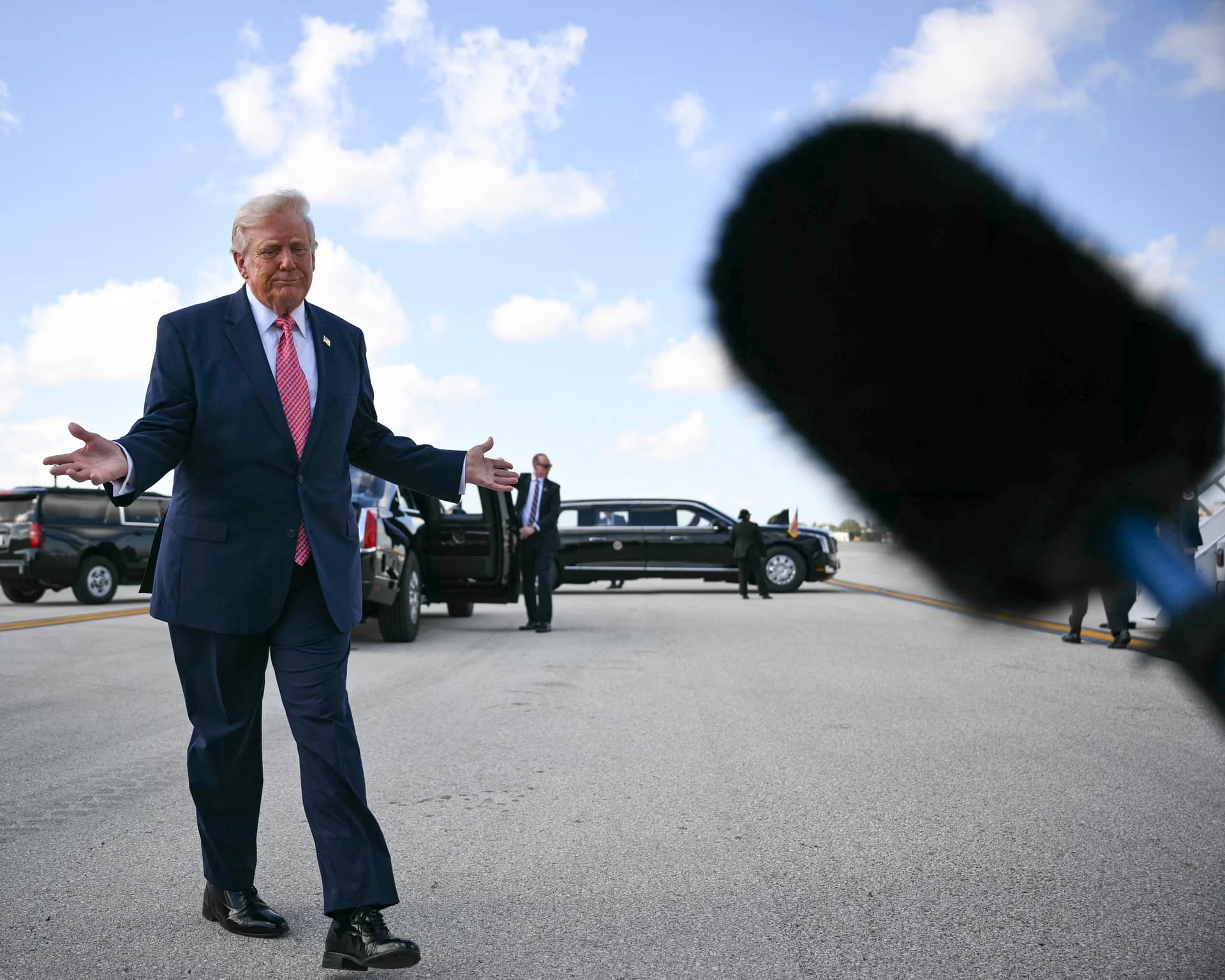
“We’ve won this war.”
That’s what Donald Trump has repeatedly claimed about the Iran conflict.
But here’s the problem: the war isn’t over—and the consequences are escalating fast.
From rising oil prices to growing global tensions, the gap between rhetoric and reality is now impossible to ignore. And critics say this moment could define Trump’s leadership more than any speech ever could.
Table of Contents
Toggle⚡ FAST FACTS
- Trump has declared victory multiple times in March 2026
- The conflict has already killed 13 US personnel
- Iran has blocked the Strait of Hormuz, triggering an energy shock
- The war is increasingly unpopular among US voters
- No clear exit strategy has been outlined
🧠 QUICK GIST (30 Seconds)
- Trump is projecting confidence—but the war is still escalating
- Analysts say this reflects his long-standing strategy: create reality, repeat it
- Iran is not backing down, challenging that approach
- The situation is turning into a high-stakes geopolitical standoff
- Experts warn: this could become a long-term economic and military crisis
🚨 What Happened: “We’ve Won” — But the War Says Otherwise
Throughout March, Donald Trump has repeatedly claimed victory in the Iran war.
Different dates. Same message.
But on the ground, the situation tells a different story:
- Conflict is ongoing
- Casualties are rising
- Regional instability is worsening
👉 The biggest twist? Iran isn’t conceding—at all.
💥 Why It Matters: When Narrative Meets Reality
For decades, Trump’s strategy has been simple:
Say it. Repeat it. Make people believe it.
That approach worked in business, media, and even politics.
But war doesn’t follow branding rules.
🧩 As Tara Setmayer put it:
“You can’t just will a win into existence in war.”
And that’s where things get dangerous.
📊 Key Reality Check
| Factor | Current Situation |
|---|---|
| War status | Ongoing |
| US casualties | 13 deaths |
| Oil markets | Volatile |
| Public opinion | Declining support |
| Exit strategy | Unclear |
🌍 Strategic Fallout: Energy, Economy, and Global Risk
Iran’s move to block the Strait of Hormuz is already shaking global markets.
Why this matters:
- A major portion of global oil supply flows through this route
- Disruptions = rising energy prices
- Rising prices = inflation pressure worldwide
📉 The ripple effect could hit:
- US economy
- European markets
- Asian import-dependent nations
👉 This isn’t just a war. It’s an economic trigger point.
🧠 What Experts Are Saying: A Clash of “Reality Builders”
According to Trump biographer Gwenda Blair:
“It’s reality constructor versus reality constructor.”
Here’s the deeper insight:
- Trump builds narratives for public belief
- Iran’s leadership does the same internally
- Neither side is willing to yield
🔥 Result? A psychological and geopolitical deadlock
🧩 Key Insight Box
- Trump’s strength: controlling perception
- Iran’s strength: resisting external pressure
- Outcome: Narrative strategy hits its limits
⚖️ Contrarian View: Is This Being Overstated?
Not everyone agrees this is a total collapse of strategy.
Some argue:
- Trump has used similar tactics successfully before
- Political narratives can shape public tolerance for conflict
- Allies and institutions have often aligned with his messaging
But critics push back hard.
Joel Rubin warns:
War outcomes depend on military and diplomacy—not mindset alone
Must Read: Trump’s Iran Threat Shocks Markets — What Now?
⏭️ What Happens Next: The Real Test Begins
There are growing reports that Trump may already be losing interest in the war.
If that’s true, the next phase could be even more critical:
- Will the US escalate militarily?
- Will diplomacy take over?
- Or will the narrative shift again—declaring victory regardless of outcome?
📉 Political analyst Larry Jacobs calls this moment:
“Trump’s Waterloo.”
🔍 The Bigger Question
Is this just another political narrative cycle?
Or the moment when reality finally pushes back?
👉 Because in war, unlike politics—facts don’t bend easily.
❓ FAQs
Why is Trump declaring victory in the Iran war?
Trump has repeatedly claimed success as part of a broader communication strategy of shaping public perception through repetition and confidence.
What impact could the Iran war have globally?
The conflict could disrupt oil supply, increase energy prices, and destabilize global markets due to Iran’s actions in key shipping routes.
Why are experts concerned about this situation?
Analysts warn that relying on narrative over strategy could prolong the war, increase casualties, and damage economic and geopolitical stability.
⚠️ Editorial Disclaimer
This article is a rewritten analytical feature based entirely on the provided source material. All facts, quotes, and events are derived from the original report. No new information or outcomes have been added or fabricated.