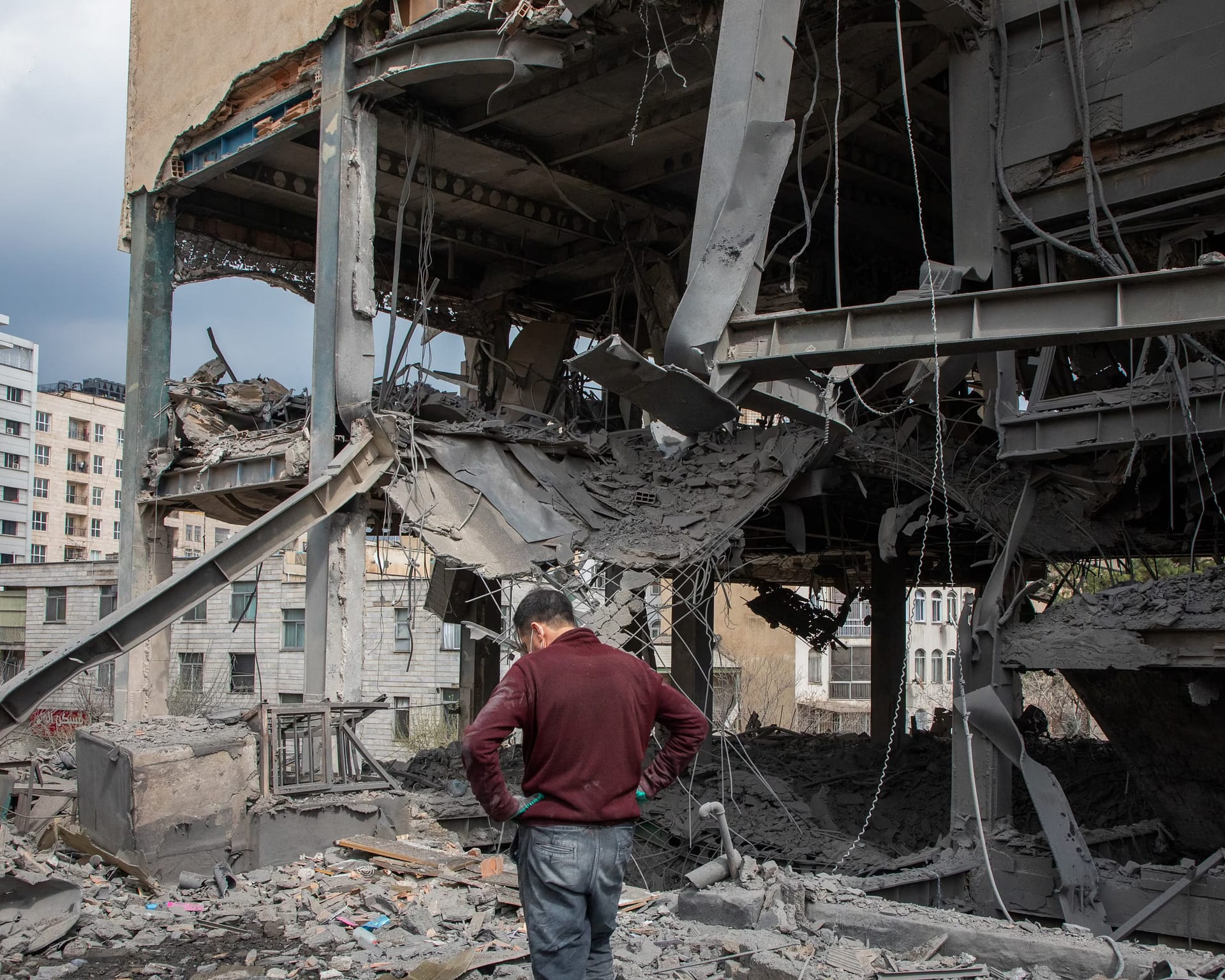
“Obliterate Iran’s energy infrastructure.”
That’s the explosive warning from Donald Trump — and it’s sending shockwaves across global markets, diplomacy, and the Middle East.
With oil above $100, missiles flying, and no confirmed talks, the situation is spiraling fast. And the biggest question now is: how close is this to something much bigger?
Table of Contents
Toggle⚡ Fast Facts
- US threatens to destroy Iran’s oil and power infrastructure
- Kharg Island named as key target
- Strait of Hormuz disruption pushes oil above $100
- Iran denies any direct negotiations with the US
- Regional attacks escalating across Israel, Lebanon, and Gulf states
🧠 Quick Gist (30 seconds)
- The US has issued a major escalation warning against Iran
- Iran is restricting shipping in the Strait of Hormuz
- Missile and drone attacks are spreading across the region
- Oil markets are reacting sharply
- Diplomacy appears stalled despite indirect messaging
🚨 What Just Happened — And Why It Feels Different This Time
The latest flashpoint: a direct threat from Donald Trump to “obliterate” Iran’s oil wells, power plants, and Kharg Island if a ceasefire deal isn’t reached “shortly.”
That’s not routine rhetoric.
It specifically targets Iran’s economic lifeline — oil exports — which largely flow through Kharg Island.
At the same time:
- Iran has effectively halted shipping through the Strait of Hormuz
- The US is considering military control or escort operations
- Iran insists it is under “military aggression” and rejects US proposals
👉 Translation: both sides are escalating — and denying talks.
🌍 Why This Matters More Than It Looks
This isn’t just another regional flare-up.
It’s about control of the world’s most important oil chokepoint.
📊 Key Strategic Pressure Points
| Factor | Current Situation |
|---|---|
| Oil Prices | Surged above $100/barrel |
| Shipping | Severely restricted in Hormuz |
| Diplomacy | No confirmed direct talks |
| Military Activity | Rising across multiple countries |
If the Strait stays disrupted:
- Global inflation could spike again
- Energy-importing countries (like India) face pressure
- Risk of global recession increases
💥 Missiles, Drones, and a Widening War Zone
This conflict is no longer contained.
- Israel hit targets in Tehran and Beirut
- Iran launched drones and missiles across Gulf states
- Bahrain claims 398 drones and 182 missiles intercepted
- UAE reports 1,900+ drones engaged since war began
Meanwhile:
- A refinery in Haifa caught fire after a missile incident
- Lebanon has seen over 1,200 deaths since escalation
👉 The war is now multi-front, multi-country, and intensifying.
Must Read: Odisha’s BJD Urges VAT Cut on Petrol, Diesel — Here’s Why It Matters
🧠 What Analysts Are Quietly Warning
There’s a dangerous contradiction:
The US says “progress” is being made
Iran says no talks have happened
That gap is where miscalculation happens.
Experts highlight:
- Backchannel diplomacy via Pakistan exists
- Iran rejects US proposals as “unrealistic”
- Key sticking point: Israel’s regional military actions
👉 Without alignment, talks risk collapsing before they begin.
🤔 Contrarian View: Is This Strategic Pressure — Not Imminent War?
Some analysts argue this may be maximum pressure strategy, not immediate escalation.
Why?
- The US hasn’t yet targeted key infrastructure
- Threats may be leverage to reopen Hormuz
- Oil sanctions have already been eased to stabilize markets
But here’s the catch:
👉 The longer this drags, the harder it becomes to control escalation.
⏭️ What Happens Next Could Change Everything
Watch these signals closely:
- 🚢 Will shipping resume through Hormuz?
- 🤝 Any confirmation of direct US-Iran talks
- 💣 Whether energy infrastructure is actually targeted
- 🌐 Reactions from Europe and Gulf countries
Even Abdel Fattah al-Sisi has urged Trump to “stop the war,” highlighting global concern.
📌 Key Insight Box
- This conflict is now economic + military + geopolitical
- Energy markets are the immediate battleground
- Diplomacy exists — but isn’t trusted
- One misstep could trigger global consequences
❓ FAQs
Why did Trump threaten Iran’s oil infrastructure?
To pressure Iran into reopening the Strait of Hormuz and accepting ceasefire terms, including limits on its nuclear program.
Why is the Strait of Hormuz so important?
It’s one of the world’s most critical oil shipping routes — disruptions directly impact global oil prices and supply.
What should the world watch next in the US-Iran conflict?
Key indicators include shipping activity, confirmation of negotiations, and whether energy infrastructure becomes a direct target.
⚠️ Editorial Disclaimer
This article is an analytical rewrite based strictly on the provided source material. All facts, developments, and statements reflect the original report. No events or outcomes have been added or altered.