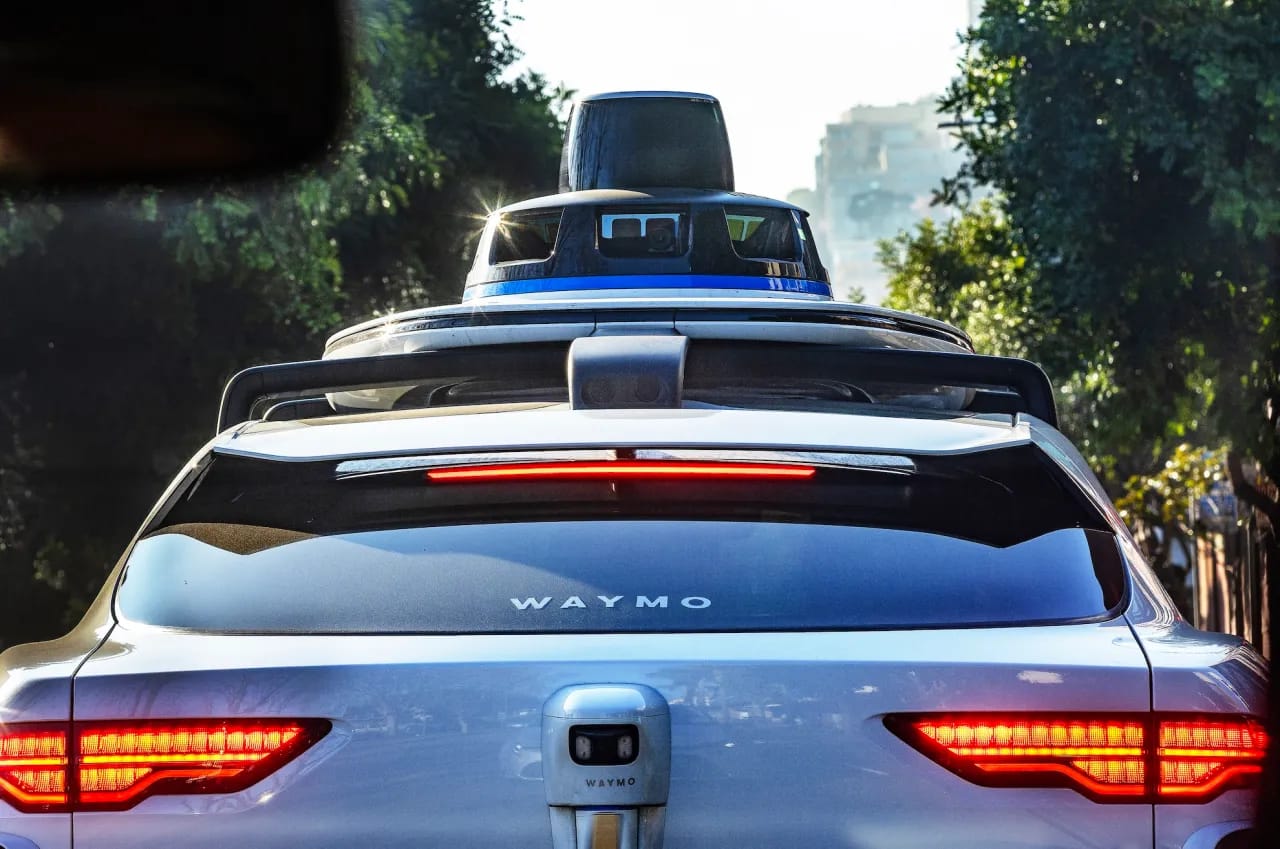
Autonomous vehicles are on our streets, but there’s a hidden truth behind the tech: major robotaxi companies refuse to say how often their self-driving cars need help from humans behind the screen.
Senator Ed Markey’s investigation shows Aurora, May Mobility, Motional, Nuro, Tesla, Waymo, and Zoox are all keeping crucial operational details under wraps. And it’s raising big questions about safety and transparency.
Fast Facts
- 7 major AV companies declined to reveal how often their vehicles need remote guidance.
- Waymo admits half of its remote staff are in the Philippines.
- Tesla allows remote workers to take direct control at very low speeds.
- Markey is pushing the National Highway Traffic Safety Administration to investigate.
- The investigation highlights a lack of federal standards for remote AV operations.
Quick 30-Second Gist
- Senator Ed Markey asked AV companies 14 questions on remote assistance.
- Companies either refused, gave vague answers, or cited “confidential business information.”
- Remote guidance operations vary widely in response times, staff qualifications, and even location.
- Safety and transparency concerns are growing as robotaxis hit public roads.
What Happened
Earlier this year, Senator Markey sent letters to seven AV companies asking how often their vehicles rely on remote staff. He wanted answers on:
- Frequency of remote intervention
- Team size and location
- Worker qualifications and security protocols
The results? A wall of silence. Waymo and May Mobility claimed it’s “confidential,” Tesla skipped the question entirely, and none disclosed exact numbers.
Waymo’s letter did say improvements have “materially reduced” requests for help, but offered no data. Tesla revealed its remote operators can take direct control, but only if a vehicle is moving under 2 mph, with a maximum of 10 mph.
Must Read:
Why It Matters
Robotaxis aren’t just prototypes anymore — they’re transporting real people in major cities. Yet the public and regulators know almost nothing about how much human help they actually need.
Key safety issues:
- Overseas remote staff may not fully understand U.S. road rules.
- No federal standards exist for qualifications or operational protocols.
- Inconsistent response times could impact passenger safety.
Markey is now pressing for stricter rules on how remote operators are used and monitored.
Industry Impact
The AV sector faces a transparency crisis that could slow adoption. Investors and city regulators are watching closely.
| Company | Remote Control Allowed? | Overseas Staff | Response Latency |
|---|---|---|---|
| Waymo | No | Yes (Philippines) | N/A |
| Tesla | Yes (2 mph max) | No | N/A |
| May Mobility | No | N/A | 500 ms worst-case |
| Aurora | No | N/A | N/A |
| Motional | No | N/A | N/A |
| Nuro | No | N/A | N/A |
| Zoox | No | N/A | N/A |
This patchwork approach highlights inconsistent safety measures across the sector.
What Experts Are Saying
- “The lack of transparency is stunning,” Markey’s office said.
- AV insiders note that remote assistance is critical in real-world deployment but rarely reported publicly.
- Some analysts argue that companies prioritize speed-to-market over transparency, risking public trust.
Contrarian View
Tesla claims its direct-control option mitigates delays, potentially preventing accidents. Critics argue this approach raises liability and safety concerns, as remote operators may lack local road expertise.
What Happens Next
- NHTSA could launch investigations into remote assistance practices.
- Markey may push legislation requiring strict guardrails for AV operations.
- More cities could question whether robotaxis are safe for passengers without fully transparent reporting.
FAQs
Why did AV companies refuse to reveal remote guidance frequency?
Most cited “confidential business information,” while Tesla ignored the question entirely.
Could overseas remote operators affect safety?
Yes — foreign driver licenses may not reflect U.S. road rules, creating potential risk.
What should consumers watch for next?
Follow NHTSA updates, new legislation, and company transparency reports as more robotaxis hit streets.
Editorial Disclaimer:
This article analyzes publicly available information and Markey’s investigation results. All facts are sourced from original reporting; no events or outcomes were fabricated.