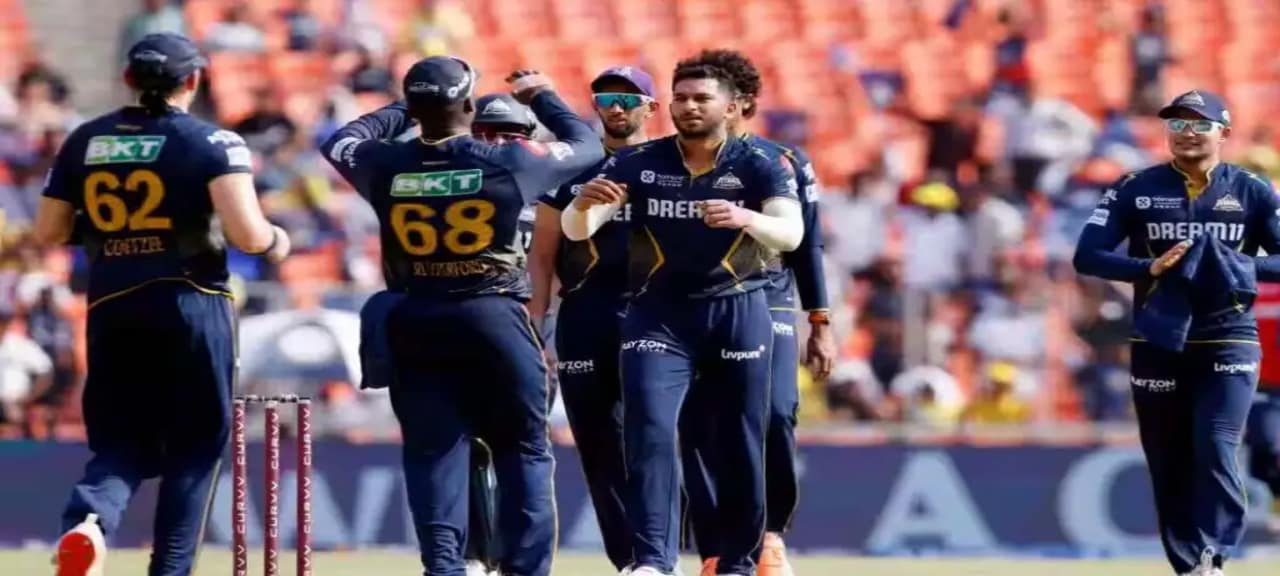
“I am not in favour of the Impact Player Rule.”
That blunt statement from Shubman Gill has just reignited one of the biggest debates ahead of IPL 2026 — and it’s turning into a serious headache for Board of Control for Cricket in India.
India’s Test and ODI captain isn’t alone. Multiple IPL captains have reportedly pushed back — and the timing couldn’t be worse for the league.
Table of Contents
Toggle⚡ FAST FACTS
- Shubman Gill opposes Impact Player Rule
- Several IPL captains share the same stance
- Rule confirmed to stay until 2027
- Criticism: reduces role of all-rounders
- Debate intensifying just before IPL 2026
🧠 QUICK GIST (30-Second Read)
- Captains met and raised concerns with Board of Control for Cricket in India
- Gill says rule makes matches “one-dimensional”
- Teams now prefer specialists over all-rounders
- High-scoring games are increasing — but at what cost?
- Rule will continue despite backlash
🔥 What Happened — And Why It’s Blowing Up Now
Just days before IPL 2026 kicks off, Shubman Gill openly criticized the Impact Player Rule — a move that allows teams to substitute a player mid-game.
His argument is simple — and sharp:
Cricket should be an 11-player contest, not 12.
Gill revealed that IPL captains had already discussed this issue internally with the Board of Control for Cricket in India — but the board has chosen to continue the rule until 2027.
And that’s where the tension begins.
📉 Why This Rule Is Raising Eyebrows
Gill didn’t just oppose the rule — he explained why it’s changing cricket itself.
Key Concerns Raised:
- Extra batter = inflated scores
- Less pressure on top-order collapses
- Reduced need for recovery skills
- Declining importance of all-rounders
“One extra player is making the contest one-dimensional.”
He stressed that chasing 160–180 on tough pitches is far more thrilling than smashing 220 on flat tracks — a subtle dig at modern IPL batting trends.
📊 Impact Snapshot
| Factor | Before Rule | After Rule |
|---|---|---|
| Team Composition | Balanced XI | Specialist-heavy |
| Role of All-rounders | Crucial | Reduced |
| Match Pressure | High | Lower |
| Average Scores | Moderate | Higher |
💰 Strategic Impact on Teams (And IPL Itself)
Franchises are adapting fast — and not necessarily in a good way.
Instead of grooming versatile players, teams are now:
- Loading up on pure batters
- Using bowlers as expendables
- Minimizing tactical risk
This shift could reshape how T20 cricket evolves — especially in a league as influential as the Indian Premier League.
And here’s the bigger question…
👉 Is entertainment being prioritized over cricketing skill?
🗣️ What Players Are Really Saying (Between the Lines)
Gill joins a growing list of Indian stars — including Rohit Sharma, Hardik Pandya, and Axar Patel — who have voiced concerns.
This isn’t just opinion anymore.
It’s becoming a collective resistance from top-level leadership.
And yet, the Board of Control for Cricket in India isn’t backing down.
⚖️ The Contrarian View — Not Everyone Hates It
Let’s be fair.
Some argue the rule has:
- Increased scoring excitement
- Reduced dull phases in matches
- Added tactical unpredictability
For broadcasters and fans who love six-hitting contests, this is gold.
But critics say:
👉 “At what cost to cricket’s core skills?”
🔮 What Happens Next Could Surprise You
Despite mounting criticism, the rule is locked in until 2027.
But pressure is building — fast.
Watch Closely:
- Will more captains speak out publicly?
- Will fan sentiment shift mid-season?
- Could BCCI tweak the rule instead of removing it?
One thing is certain — this debate isn’t going away anytime soon.
Must Read: Ball Turns Pink in PSL — Fans Lose It
❓ FAQs
Why is Shubman Gill against the Impact Player Rule?
He believes it reduces skill, makes matches one-dimensional, and removes the challenge of playing with a fixed 11-player team.
What impact does the rule have on IPL teams?
It encourages teams to use more specialist players, reducing the importance of all-rounders and changing team balance.
Will the Impact Player Rule be removed from IPL?
No. The Board of Control for Cricket in India has confirmed it will stay until at least 2027.
⚠️ Editorial Disclaimer
This article is an analytical rewrite based strictly on the provided source material. All facts, quotes, and developments reflect the original report. No information, outcomes, or claims have been fabricated or altered.