Table of Contents
Toggle“Daylight Over Floodlights?” — A Sudden Cricket Shake-Up
A major scheduling shake-up just hit international cricket—and it’s not about form or fitness. The Bangladesh Cricket Board has abruptly advanced match timings for upcoming series, aiming to cut energy use.
Why does this matter? Because it changes how games are played, watched, and even decided.
And yes—it could quietly reshape match dynamics.
⚡ FAST FACTS
- ODIs vs New Zealand national cricket team now start at 11:00 AM
- T20Is moved to 2:00 PM starts
- Women’s T20Is vs Sri Lanka women’s national cricket team begin at 1:30 PM
- Matches aim to finish before sunset (~6:30 PM)
- Move supports government energy-saving initiative
🧾 QUICK GIST (30-Second Read)
- Bangladesh advances match timings by up to 3 hours
- Goal: reduce electricity usage from floodlights
- Affects both men’s and women’s international fixtures
- Day-night games now rely heavily on natural daylight
- Could influence pitch behavior, player performance, and broadcast patterns
🔥 What Happened — And Why It’s Raising Eyebrows
In a clear policy-driven move, the Bangladesh Cricket Board has rescheduled all upcoming white-ball matches to start much earlier in the day.
Originally planned evening matches are now day-heavy contests, with play designed to wrap up before sunset.
📍 Key venues impacted:
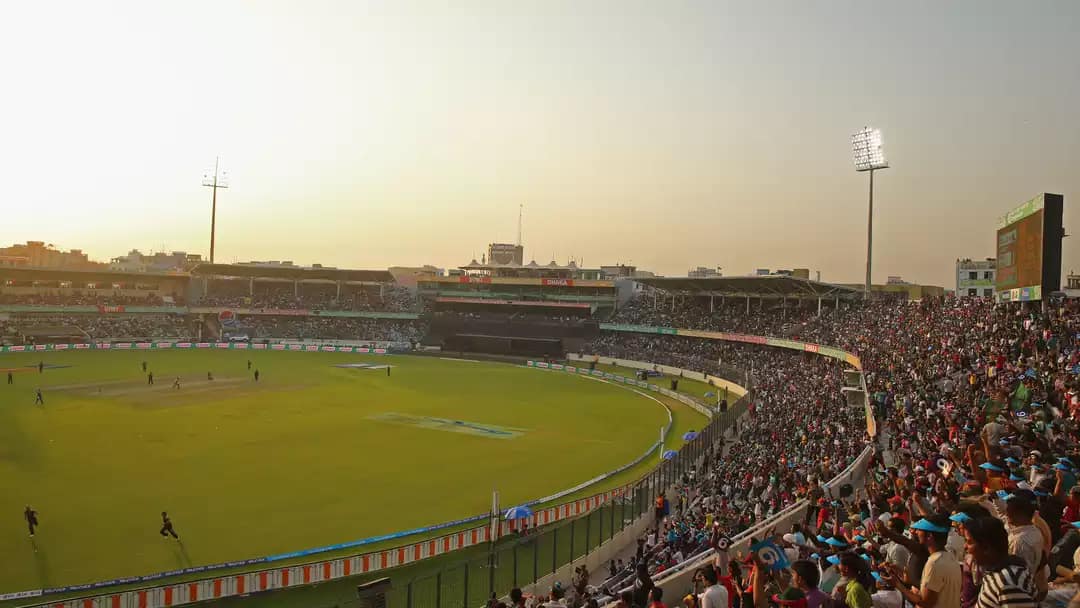
- Sher-e-Bangla National Cricket Stadium
- Chattogram
- Sylhet International Cricket Stadium
The reasoning? Simple but significant: save energy by minimizing floodlight usage.
🤔 Why This Move Actually Matters More Than It Seems
At first glance, it’s just a timing tweak.
But dig deeper—and it’s a strategic shift with ripple effects:
- Pitch conditions change: Daytime heat vs evening dew
- Player workload shifts: Afternoon fatigue becomes a factor
- Broadcast viewership may drop: Less prime-time cricket
- Tactical gameplay evolves: Toss decisions could become crucial
“The revised timing will aim to make maximum use of daylight,” the board stated.
That sounds practical—but it also raises competitive questions.
📊 Match Timing Breakdown
| Format | Old Start Time | New Start Time | Target Finish |
|---|---|---|---|
| ODIs | ~2:00 PM | 11:00 AM | Before 6:30 PM |
| T20Is | ~6:00 PM | 2:00 PM | ~5:30 PM |
| Women’s T20Is | 6:00 PM | 1:30 PM | Before sunset |
🧠 Strategic Impact — Energy vs Entertainment?
This decision aligns with broader government-led energy conservation efforts.
But here’s the tension:
- 🌍 Pro: Reduced electricity consumption
- 📺 Con: Lower global TV engagement during working hours
- 🏏 Pro: More natural playing conditions
- ⚖️ Con: Possible imbalance between bat and ball
Cricket boards rarely adjust schedules this drastically mid-cycle.
So naturally, this one is drawing attention.
Must Read: Zimbabwe Women’s Pakistan Tour Sparks Big Questions
🗣️ What Observers Might Be Thinking
While no official criticism has surfaced, the implications are clear:
- Teams must adapt quickly to unfamiliar conditions
- Fans may struggle with non-prime viewing hours
- Broadcasters could see engagement dips
And yet—this could set a precedent if energy concerns grow globally.
⚖️ Contrarian View — Is This Actually Smart?
Not everyone would see this as a problem.
A different perspective:
- Day games reduce dew advantage, making matches fairer
- Players avoid late-night fatigue
- Environmental responsibility becomes part of cricket’s evolution
Could this be the future template, not a temporary fix?
🔮 What Happens Next — Watch These Closely
📅 Series timeline:
- New Zealand tour begins April 13
- ODIs: April 17, 20, 23
- T20Is: April 27, 29, May 2
- Women’s matches: April 28, 30, May 2
Expect close attention on:
- Toss impact trends
- Scoring patterns in daytime conditions
- Viewer engagement numbers
Because if this works… others may follow.
❓ FAQs
Why did Bangladesh change cricket match timings in 2026?
To support a government energy-saving initiative by reducing reliance on stadium floodlights.
How do earlier match timings affect cricket games?
They impact pitch conditions, player fatigue, dew factor, and match strategies.
Will this affect TV viewersip and fan engagement?
Possibly—since matches move away from prime-time viewing hours, affecting global audiences.
📌 Editorial Disclaimer
This article is an analytical rewrite based strictly on the provided source material. All facts, schedules, and statements reflect the original report. No events, outcomes, or claims have been added or fabricated.