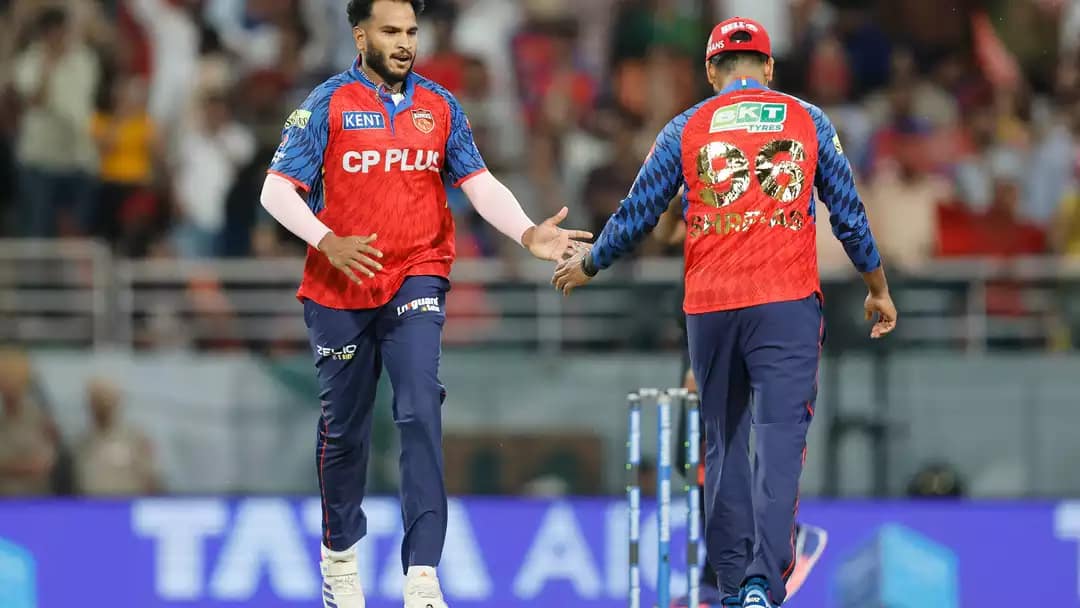
A single delay stretched nearly 30 minutes beyond limits — and now the IPL’s discipline standards are under scrutiny.
In Indian Premier League 2026, the first Code of Conduct breach has already raised eyebrows. And it’s not just about a fine — it’s about what it reveals.
Table of Contents
Toggle⚡ Fast Facts
- Shreyas Iyer fined ₹12 lakh
- Match: Punjab Kings vs Gujarat Titans
- Violation: Slow over-rate (Article 2.22)
- First innings took ~2 hours (limit: 1h 30m)
- PBKS conceded 14 extras, worsening delays
⏱️ 30-Second Gist
- PBKS failed to maintain required over-rate
- First innings overshot time regulations significantly
- Penalty: financial fine + on-field disadvantage
- Extra runs (wides, no-ball) added to delay
- Early sign of discipline issues in IPL 2026
What Happened: A Two-Hour Innings That Triggered Action
The clash between Punjab Kings and Gujarat Titans on March 31 wasn’t just another IPL game — it turned into a timing controversy.
Punjab Kings, led by Shreyas Iyer, took nearly two hours to complete their 20 overs. The IPL mandates that the 20th over should begin within 90 minutes.
They missed that mark — badly.
And the reasons were hard to ignore:
- 11 wides
- 1 no-ball
- Total 14 extras
Each mistake added seconds… then minutes… then pressure.
By the end, the league stepped in.
📊 Match Breach Snapshot
| Key Metric | Value |
|---|---|
| Allowed Time | 1h 30m |
| Actual Time Taken | ~2 hours |
| Extras Conceded | 14 |
| Captain Fine | ₹12 lakh |
| Rule Violated | Article 2.22 |
Why This Matters: Not Just a Fine — A Pattern Warning?
At first glance, ₹12 lakh may not seem massive in IPL economics.
But this isn’t just about money.
This is about control, discipline, and match flow.
Slow over-rates impact:
- Broadcast schedules
- Player fatigue
- Viewer engagement
- Competitive fairness
And there’s a direct in-game penalty too — PBKS had to keep an extra fielder inside the circle in the final over.
That’s not small.
That can change matches.
Strategic Impact: How Extras Quietly Cost Teams
Here’s what makes this more serious — the delay wasn’t random.
It came from poor execution.
👉 Wides = extra deliveries
👉 No-balls = free hits + time loss
👉 Field adjustments = further delays
Insight Box:
- More extras → longer overs
- Longer overs → over-rate penalties
- Penalties → tactical disadvantage
This isn’t just sloppy bowling.
It’s a chain reaction of errors.
What Experts Are Saying (Reading Between the Lines)
While no official expert quotes were issued, the situation itself signals something deeper:
“A slow over-rate this early in the season raises bigger discipline concerns.”
Teams are still settling combinations — but basic timing compliance is non-negotiable in IPL.
And this is just Match 4.
Contrarian View: Is the IPL Too Strict?
Not everyone sees this as a big issue.
Some argue:
- Early-season matches often run longer
- Teams are experimenting
- Pressure situations slow things down naturally
But here’s the counter:
👉 The rules haven’t changed
👉 The time limit is clear
👉 Other teams managed
So the question becomes uncomfortable:
Is this just rust… or lack of control?
Must Read: Slow Pitch Drama, Iyer Injury Raises Questions
What Happens Next: More Breaches Coming?
This is just the first recorded Code of Conduct breach in IPL 2026.
And it sets the tone.
Watch for:
- Repeat offences by PBKS
- Stricter umpire enforcement
- Possible escalation in penalties
Because if delays continue, fines may not be the only consequence.
🔍 Key Timeline
- March 31, 2026 — PBKS vs GT match
- During match — Over-rate delay builds
- Post match — Fine imposed on Shreyas Iyer
FAQs
Why was Shreyas Iyer fined in IPL 2026?
He was fined ₹12 lakh for maintaining a slow over-rate during PBKS vs GT, violating IPL Code of Conduct Article 2.22.
What is the IPL slow over-rate rule?
Teams must start the 20th over within 90 minutes of the innings start. Delays result in fines and fielding restrictions.
How did extras affect the match timing?
PBKS conceded 14 extras (11 wides, 1 no-ball), increasing deliveries and significantly slowing down the innings.
Editorial Disclaimer
This article is an analytical rewrite based strictly on the original reported information. All facts, figures, and events are derived from the source material, with no fabrication or alteration of outcomes. The analysis is intended to provide deeper insight into the implications of the reported incident.